

Can a USB camera module be used for machine vision?
Aug 19, 2026
Leave a message
Hey there! As a supplier of USB camera modules, I often get asked if a USB camera module can be used for machine vision. Well, the short answer is yes, but there's a lot more to it than that. Let's dive in and explore this topic in detail.
What is Machine Vision?
Before we get into whether USB camera modules can be used for machine vision, let's first understand what machine vision is. Machine vision is a technology that enables machines to "see" and interpret the world around them. It involves using cameras, sensors, and software to capture and analyze images or videos, and then make decisions based on the data.
Machine vision is used in a wide range of applications, including manufacturing, robotics, quality control, inspection, and surveillance. For example, in a manufacturing plant, machine vision can be used to detect defects in products, measure dimensions, and ensure that parts are assembled correctly. In robotics, machine vision can help robots navigate their environment, identify objects, and perform tasks with precision.
Can USB Camera Modules Be Used for Machine Vision?
The answer is a resounding yes! USB camera modules can definitely be used for machine vision. In fact, they offer several advantages that make them a popular choice for many machine vision applications.

1. Ease of Use
One of the biggest advantages of USB camera modules is their ease of use. They are plug-and-play devices, which means you can simply connect them to your computer via a USB port and start using them right away. There's no need for complex wiring or additional hardware, making them a convenient and cost-effective option for machine vision systems.
2. Compatibility
USB camera modules are compatible with a wide range of operating systems, including Windows, Linux, and macOS. This means you can use them with your existing computer setup without having to worry about compatibility issues. Additionally, many USB camera modules support popular programming languages and libraries, such as Python, OpenCV, and MATLAB, making it easy to integrate them into your machine vision applications.
3. Cost-Effectiveness
Compared to other types of cameras, such as industrial cameras or GigE cameras, USB camera modules are generally more cost-effective. They offer a good balance between performance and price, making them a great option for small and medium-sized businesses or projects with limited budgets.
4. Portability
USB camera modules are small and lightweight, making them highly portable. You can easily move them from one location to another, which is useful for applications that require mobility, such as field inspections or mobile robotics.
Our USB Camera Modules for Machine Vision
At our company, we offer a wide range of USB camera modules that are suitable for machine vision applications. Here are some of our popular products:
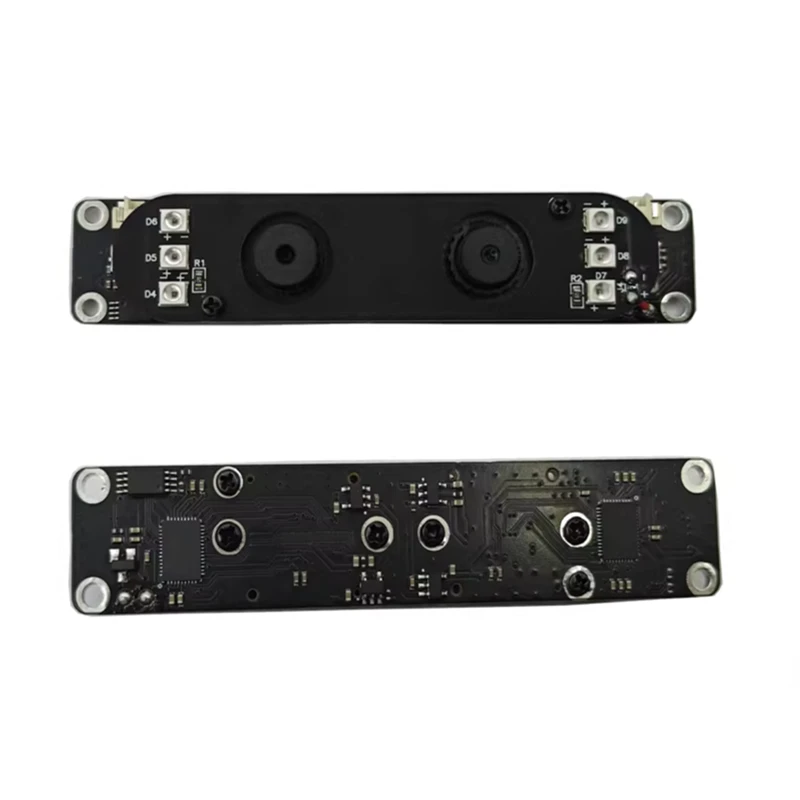
- Stereo Camera Module 2MP WDR With A Casing: This stereo camera module features a 2MP resolution and wide dynamic range (WDR) technology, which allows it to capture clear and detailed images even in challenging lighting conditions. It comes with a casing for protection and is ideal for applications such as 3D reconstruction, depth sensing, and object recognition.
- USB3.0 Camera 60 Frames 1080P: This USB3.0 camera offers a high frame rate of 60 frames per second at 1080P resolution, making it suitable for applications that require fast and accurate image capture, such as high-speed inspection and motion analysis.
- IMX586 48MP USB Auto Focusing Sony Camera Module: This camera module features a 48MP Sony IMX586 sensor and auto-focusing technology, which allows it to capture sharp and detailed images with high resolution. It is ideal for applications such as document scanning, microscopy, and digital signage.
- Stereo Camera Module 2MP: Similar to the first stereo camera module, this one also has a 2MP resolution but without the casing. It is a more affordable option for applications that don't require additional protection.
- 8MP 4K USB Camera: This camera offers an 8MP resolution and 4K video recording capabilities, making it suitable for applications that require high-quality image and video capture, such as surveillance and video conferencing.
Considerations When Using USB Camera Modules for Machine Vision
While USB camera modules offer many advantages for machine vision applications, there are also some considerations to keep in mind.
1. Bandwidth Limitations
USB camera modules are limited by the bandwidth of the USB interface. If you need to capture high-resolution images or videos at a high frame rate, you may run into bandwidth issues. In such cases, you may need to consider using a higher-speed USB interface, such as USB3.0 or USB3.1, or a different type of camera with a higher bandwidth.
2. Image Quality
The image quality of USB camera modules can vary depending on the sensor, lens, and other factors. When choosing a USB camera module for machine vision, it's important to consider the specific requirements of your application and choose a camera that offers the best image quality for your needs.
3. Lighting Conditions
Machine vision applications often require accurate and consistent image capture, which can be affected by lighting conditions. USB camera modules may not perform well in low-light or high-contrast environments. To overcome this, you may need to use additional lighting sources or choose a camera with features such as wide dynamic range (WDR) or low-light sensitivity.
4. Software and Integration
To use a USB camera module for machine vision, you'll need to have the right software and tools to capture, process, and analyze the images. You may also need to integrate the camera with other components of your machine vision system, such as sensors, actuators, and controllers. Make sure you have the necessary technical expertise or support to handle these tasks.
Conclusion
In conclusion, USB camera modules can definitely be used for machine vision. They offer several advantages, such as ease of use, compatibility, cost-effectiveness, and portability, making them a popular choice for many machine vision applications. However, it's important to consider the specific requirements of your application and choose a camera that offers the best performance and image quality for your needs.
If you're interested in using USB camera modules for your machine vision project, we'd love to hear from you. Our team of experts can help you choose the right camera for your application and provide you with the support and guidance you need to get started. Contact us today to discuss your requirements and start the procurement process.
References
- "Machine Vision: Technology and Applications" by John R. Vacca
- "Introduction to Machine Vision" by Michael Goldfarb