

Do high - megapixel USB camera modules require high - speed USB ports?
Nov 25, 2026
Leave a message
In the world of digital imaging, the question of whether high - megapixel USB camera modules require high - speed USB ports is a crucial one, especially for those of us in the business of supplying these camera modules. As a supplier of USB camera modules, I've seen firsthand the advancements in technology and the customer demands that come with them.
To understand this relationship better, let's first explore what megapixels are and why they matter. Megapixels refer to the number of millions of pixels in an image sensor. A higher number of megapixels generally means a higher - resolution image. For instance, our 8MP 4K USB Camera offers 8 million pixels, which can capture detailed and sharp images suitable for various applications such as professional photography, high - end surveillance, and industrial inspection.
Meanwhile, the speed of the USB port plays a significant role in the performance of a USB camera module. USB ports come in different versions, each with its own data transfer rate. USB 2.0 has a maximum theoretical transfer rate of 480 Mbps, while USB 3.0 can reach up to 5 Gbps, and USB 3.1 Gen 2 can hit 10 Gbps. High - speed USB ports are essential for transferring large amounts of data quickly.
When it comes to high - megapixel USB camera modules, they generate a substantial amount of data per frame. A high - megapixel sensor captures more information, and this information needs to be transferred from the camera module to the host device. For example, a high - resolution image from an 8MP camera can be several megabytes in size. If the USB port does not have sufficient speed, the data transfer will be slow, leading to issues such as long capture intervals, frame drops, and in some cases, the camera may not function properly.
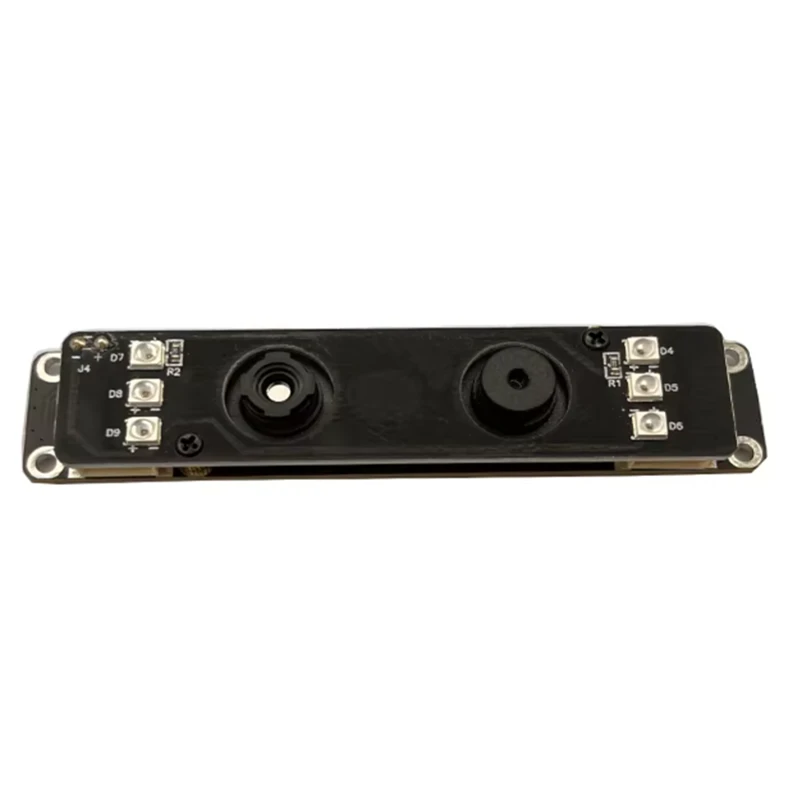
Let's consider some of our other products, like the Stereo Camera Module 2MP and Stereo Camera Module 2MP WDR. These 2MP camera modules generate relatively less data compared to an 8MP camera. A 2MP sensor only has 2 million pixels, and the resulting images are smaller in size. Therefore, they can often operate effectively with a USB 2.0 port. USB 2.0 provides enough bandwidth to transfer the data captured by these lower - megapixel cameras without significant issues.
However, for our 5MP USB Camera, the situation becomes more nuanced. A 5MP camera generates more data than a 2MP camera but less than an 8MP one. In some cases, a USB 2.0 port may be sufficient if the camera is used for applications that do not require continuous high - speed data transfer, such as occasional still image capture. But for applications that demand real - time video streaming, a high - speed USB port like USB 3.0 would be a better choice. It can ensure smooth video playback and prevent data bottlenecks.
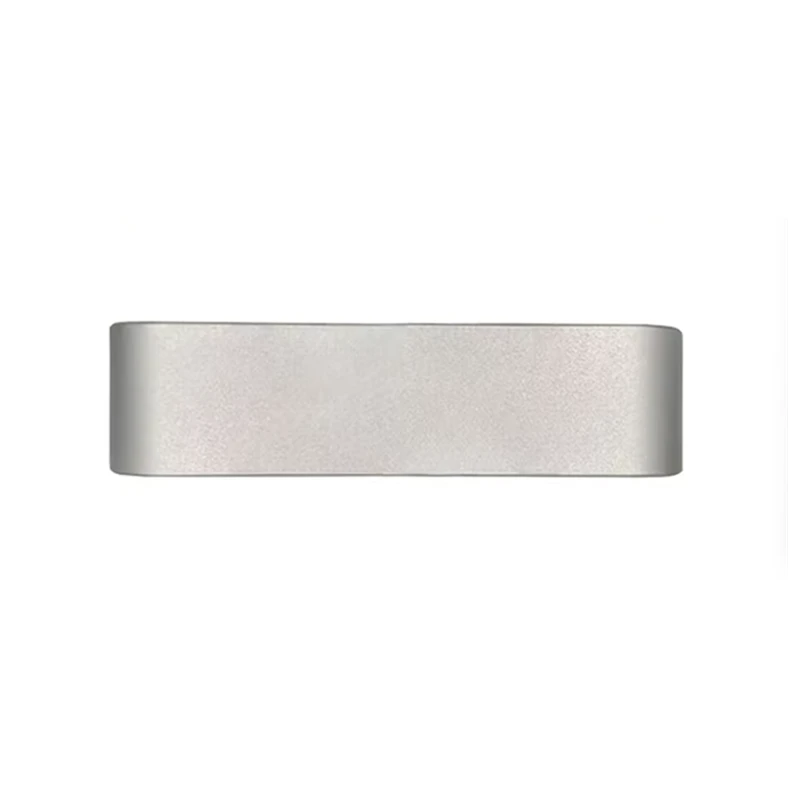
The Stereo Camera Module 2MP WDR with A Casing also benefits from understanding the relationship between megapixels and USB port speed. Even though it is a 2MP camera, if it is used in a setup where multiple cameras are connected simultaneously or in an environment with high - demand data processing, a higher - speed USB port can enhance the overall performance.
Another factor to consider is the compression technology used in the camera module. Some high - megapixel camera modules come with advanced image compression algorithms. These algorithms can significantly reduce the amount of data that needs to be transferred without sacrificing too much image quality. For example, if a high - megapixel camera uses efficient JPEG or H.264 compression, it can reduce the data size of the captured images or videos, making it possible to use a lower - speed USB port. However, it's important to note that there are limits to compression. In some cases, highly compressed images may lose important details, which is unacceptable for certain applications.
It's also worth mentioning the impact of the host device on the data transfer. The processing power of the host device can affect how well it can handle the data received from the camera module. Even if you have a high - speed USB port, if the host device's processor is slow, it may not be able to process the incoming data quickly enough. This can lead to similar issues as a slow USB port, such as frame drops and slow performance.
In conclusion, while high - megapixel USB camera modules generally benefit from high - speed USB ports, it is not an absolute requirement. The specific needs depend on the megapixel count of the camera, the application it is used for, the compression technology employed, and the processing power of the host device. For low - megapixel cameras like our 2MP stereo camera modules, USB 2.0 ports are often sufficient. But for high - megapixel cameras, especially those used for real - time video or high - speed continuous data transfer, high - speed USB ports are highly recommended.
If you are in the market for high - quality USB camera modules, regardless of your specific requirements regarding megapixels and USB port speed, we are here to help. Whether you need a 2MP stereo camera for a basic surveillance setup or an 8MP 4K camera for professional imaging, we have the products to meet your needs. We can assist you in choosing the right camera module and advise on the appropriate USB port requirements. Contact us to start the procurement process and let's discuss how our USB camera modules can fit into your project.
References
- Technology articles and research papers on digital imaging and USB data transfer.
- Industry reports on the market trends of USB camera modules.