

Does the Raspberry Pi Camera Module support night vision?
Nov 20, 2026
Leave a message
Hey everyone! I'm a supplier of the Raspberry Pi camera module, and today, I wanna talk about a question I get asked a lot: Does the Raspberry Pi Camera Module support night vision?
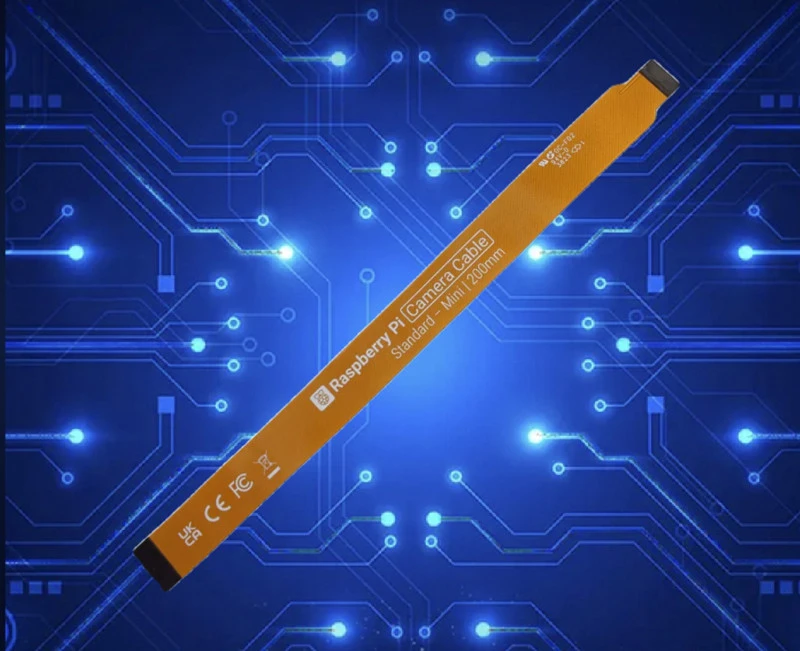
Let's start by getting to know the Raspberry Pi camera modules a bit better. We've got a nice lineup of products that cater to diverse needs. For instance, we have The Camera Adapter Cable Is 200mm Long and Is Suitable for PI5, which comes in handy for setting up your camera with the PI5 smoothly. And then there's The Raspberry Pi Camera Adapter Is Suitable for PI5, a great accessory to make your camera work seamlessly with the PI5.
Now, back to the night vision question. Not all Raspberry Pi camera modules are the same when it comes to night vision capabilities.
Let's look at the HQ Camera M12 Mount IMX477R. This camera is known for its high - quality imaging in general. It's got a pretty good sensor that can handle different lighting conditions. In low - light situations, it tries its best to capture clear images. The sensor can capture a decent amount of light, but it's not specifically designed for full - on night vision. If you've got some ambient light in a room or outdoors under a street light, it'll give you a fairly sharp picture. But in complete darkness, it'll struggle to pick up much detail on its own.
On the other hand, the Raspberry Pi Noir Camera V3 IMX708 is a different story. As the name suggests, "Noir" means it's designed for night - time use. This camera has removed the infrared filter that's usually found in regular cameras. Infrared light is invisible to our eyes but is abundant even in the dark. By removing the filter, the camera can capture infrared light, which gives it a huge advantage in low - light and night - time scenarios. You can use infrared illuminators with this camera to enhance its night - vision capabilities. With proper IR lighting, it can capture clear, detailed images even in pitch - black environments. It's great for things like wildlife monitoring at night or security surveillance when it's dark outside.
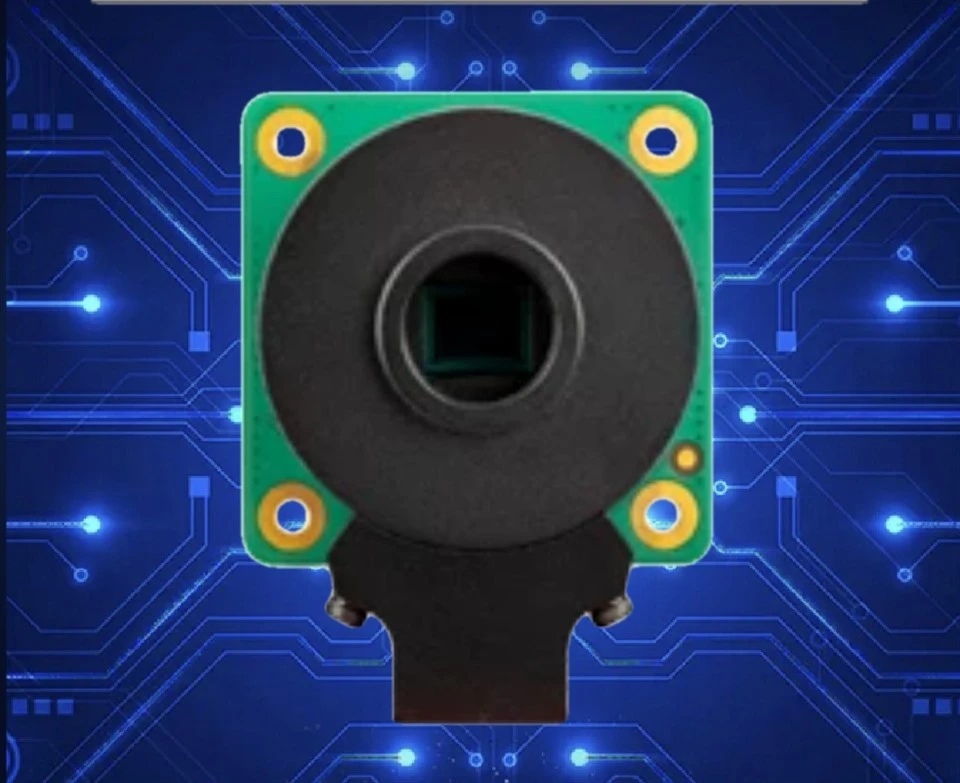
Another option in our range is the Raspberry Pi Global Shutter Camera 5/4B/3B+ 1080P IMX296. This camera is more focused on high - speed and accurate image capture. In terms of night vision, it's not its strong suit. It's optimized for fast - moving objects and high - frame - rate recording. In the dark, it may not perform as well as the Noir camera. It can capture some light in low - light situations, but the quality of night - time images won't be as good as what you'd get from the Noir version.
So, to answer the question, some Raspberry Pi camera modules do support night vision to a certain extent, while others are better designed for daylight or other specific use cases. If night vision is your top priority, the Raspberry Pi Noir Camera V3 IMX708 is definitely your go - to option.
Now, let's talk about some factors that can affect night - vision performance. First off, the quality of the infrared lighting matters a lot. If you're using the Noir camera, a good infrared illuminator will make a huge difference. You want an illuminator that covers the area you want to monitor evenly and has a good range. Also, the position of the camera and the IR light is crucial. You need to make sure the light is shining on the area you want to capture without creating too many shadows or reflections.
The software settings also play a part. You can adjust things like the exposure time and ISO settings on your Raspberry Pi to optimize the night - time images. A longer exposure time can capture more light, but it can also lead to blurry images if there's any movement. And a high ISO setting can make the image brighter but may also introduce more noise.
If you're thinking about using Raspberry Pi camera modules for your project, whether it's for home security, robotics, or just a fun DIY project, it's important to choose the right one for your needs. Consider what kind of lighting conditions you'll be working in and what your specific requirements are.
If you're interested in any of our Raspberry Pi camera modules or have questions about how they can work for your project, I'd love to have a chat with you. We can discuss which product is the best fit, and we can also talk about pricing and any possible discounts. Don't hesitate to reach out for a consultation or to start a procurement discussion.
References:
- Product details and technical specifications provided by the manufacturer of Raspberry Pi camera modules.
- Personal experience and testing of the Raspberry Pi camera modules.